Student Support
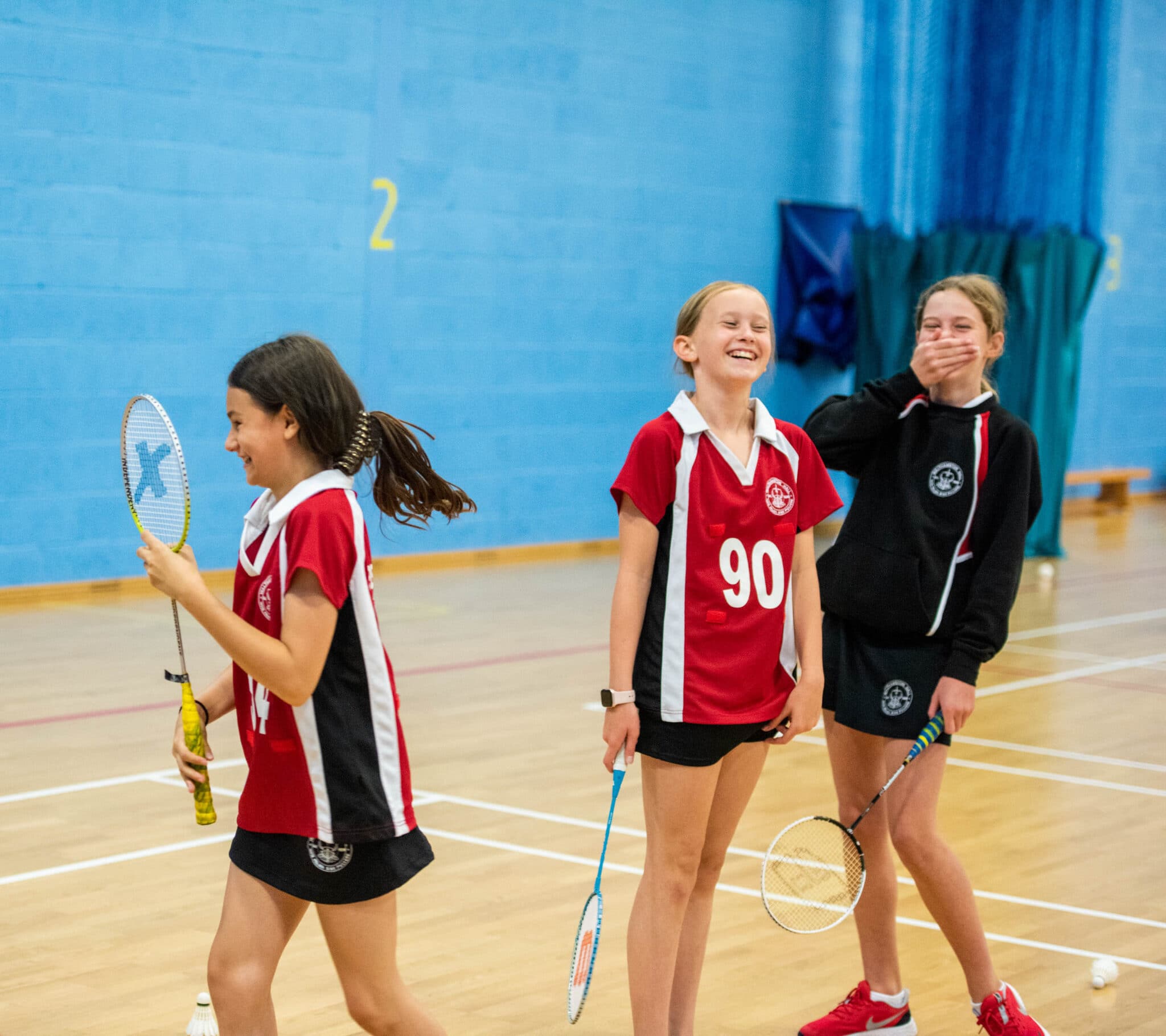
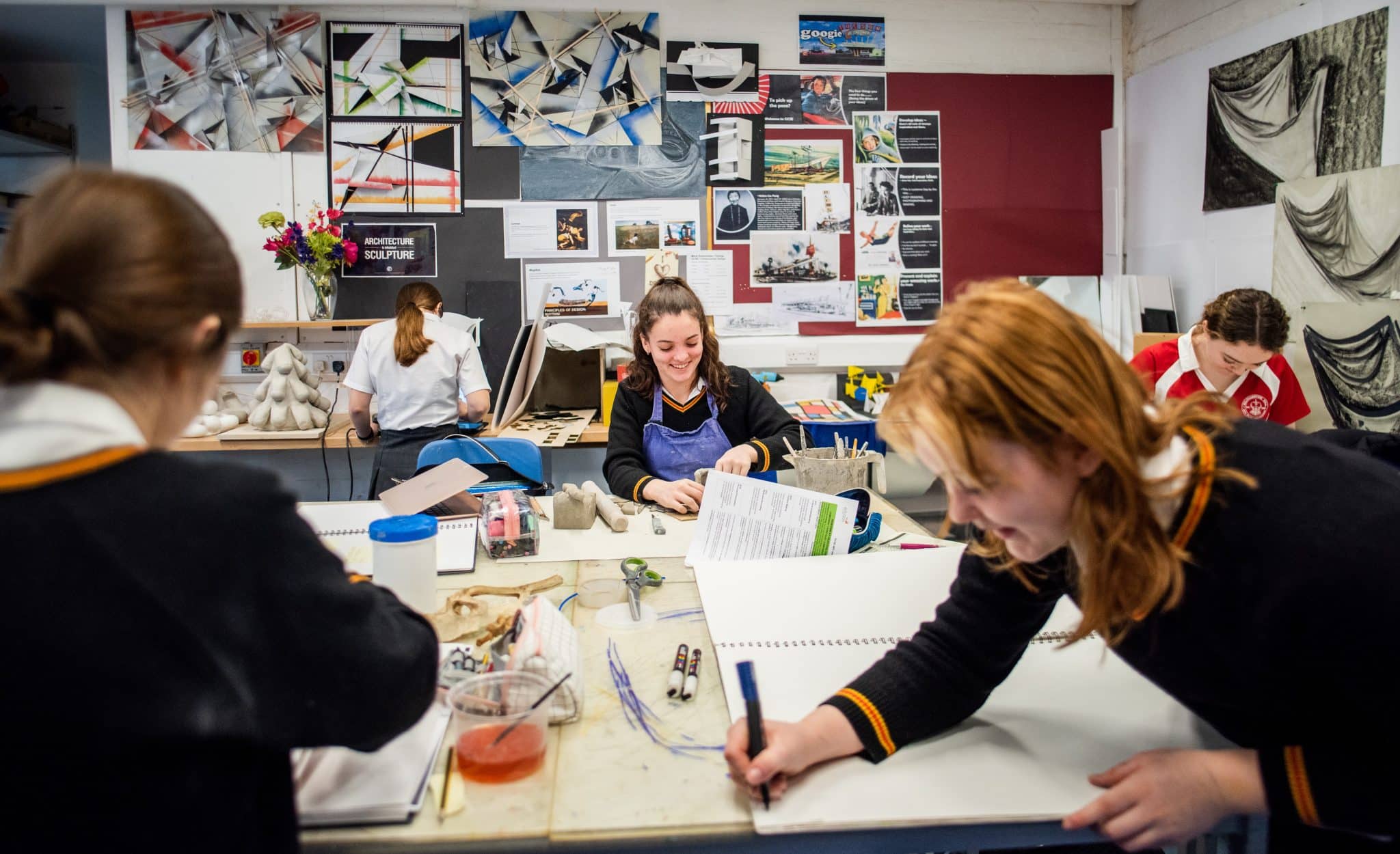
In interviews, pupils spoke of the friendly atmosphere in the school and they were confident that their supportive and warm relationships with staff would ensure that any developing issues are quickly identified, reported and dealt with.
Walthamstow Hall’s success is built on the conviction that strong pastoral systems underpin academic progress and that emotional, personal and intellectual development go hand in hand.
The welfare and well-being of the young people in our care is at heart of everything we do. Through our Form Periods, PSHEE programme, ‘Girls on Board’ , School Council, Prayers (assemblies), the way that we treat pupils on a day-to-day basis and a myriad of discreet strategies, our aim is to ensure that our pupils feel secure, cared for and respected and, in turn, show care and respect for their peers and the wider Walthamstow Hall community.
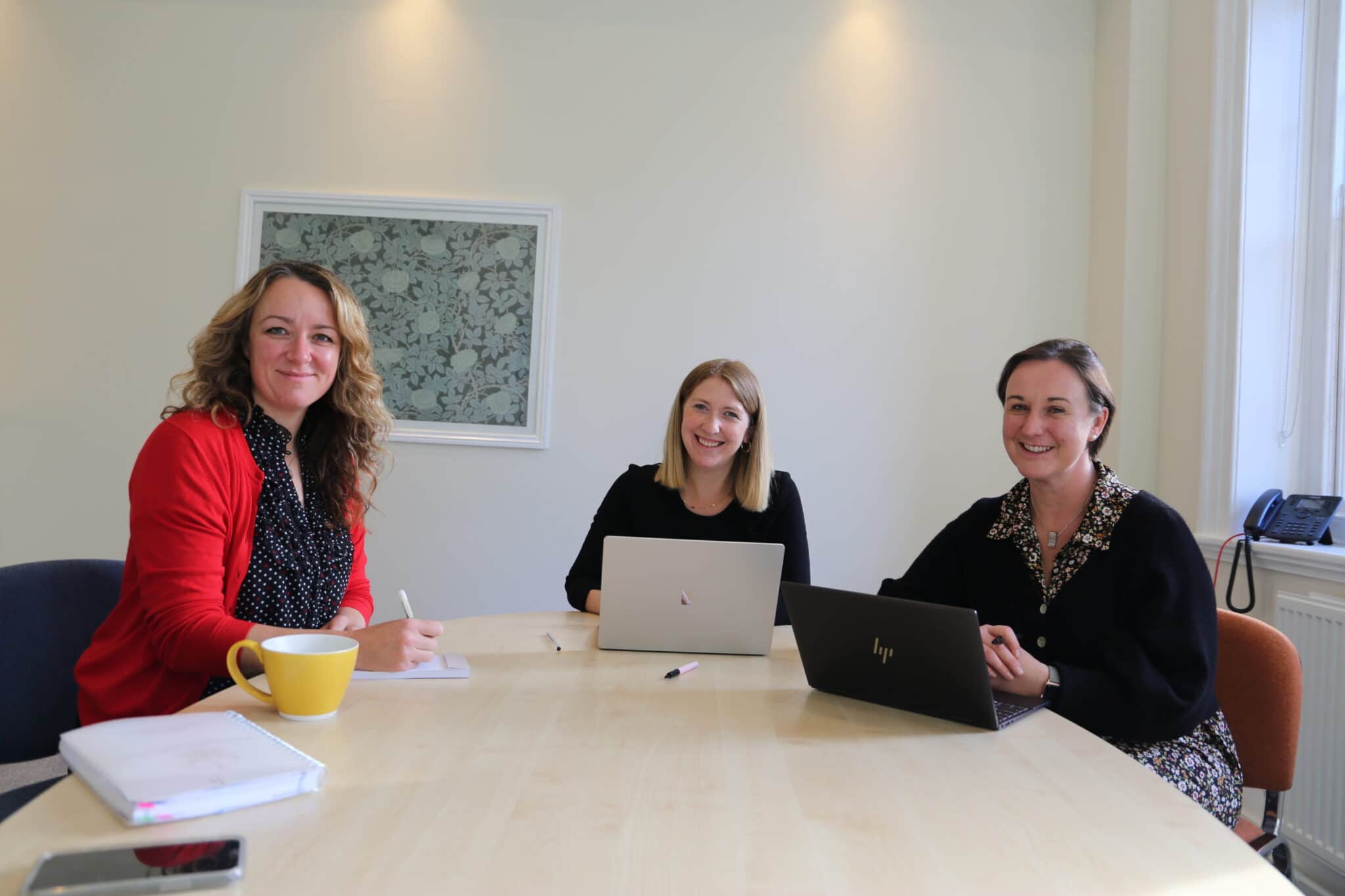
Pastoral Heads and Form Tutors provide guidance and monitor personal and academic well-being working alongside their pupils who are actively involved in reviewing their own progress and setting of personal targets. There is plenty of praise and recognition, expert advice and up-to-date information when needed. All pupils are encouraged to speak freely and openly to any member of staff if they have any concerns. Staff respond to pupils in a sympathetic way, offering support, guidance and reassurance if required.
Staff are on duty and supervise different areas of the School during morning break and lunchtime. Full supervision continues during the co-curricular activities, twilight lessons and study which take place after School until 18.00.
School Structure
The Senior School is organised into three pastoral teams; Key Stage 3 (Years 7, 8 & 9), Key Stage 4 (Years 10 & 11) and Sixth Form (Years 12 & 13). There is a Pastoral Head and Assistant Head for each team and all staff liaise closely to support every individual effectively. Each pupil belongs to a Form and one of the School’s six Houses; the former provides a nucleus within with in a pupil’s year group and the latter encourages pupils of all ages to get to know each other and work together. In Year 7 pupils are in one of three Form groups with Form rooms all located within the same area of the School with a shared communal area. From Year 8 pupils are also organised into one of three teaching sets to encourage even greater integration across the Year Group. New pupils join the School at Year 9 and this facilitates the creation of a fourth Form. There are typically ten forms in the Sixth Form, each made up of a combination of Year 12 and Year 13 students. Dividing the Sixth Form in this way creates a greater number of smaller forms, enabling tutors to offer great levels of support and guidance as their pupils make important decisions about higher education, higher level apprenticeships, gap years or employment. Year 12 students benefit from watching Year 13 leadership and application processes at close hand and Year 13s gain mentoring experience.
The PSHEE Programme
PSHEE is the short hand we use for Personal, Social, Health and Economic Education.
The School timetable is constructed to provide a dedicated PSHEE lesson for every pupils every Thursday afternoon.
Through the PSHEE Programme we aim to:
- Promote pupils’ spiritual, moral, social and cultural development
- Develop confidence and responsibility in preparation for the opportunities and experiences of life
- Develop a healthy and safe lifestyle
- Develop good relationships
- Respect the differences between people
- Develop an awareness of important environmental issues
- Prepare students to play an active role as citizens
It is important that the programme:
- Values the contribution of all
- Challenges stereotypical views
- Allows diversity and commonality to be appreciated
- Encourages individuals to take responsibility for their own actions
The PSHEE Programme content spans six broad themes:
- Personal and social education
- Health education
- Citizenship
- Environmental and global issues
- Careers and study skills
- Economic education.
PSHEE is delivered in the dedicated weekly PSHEE lesson combined with lectures and workshops scheduled at other times. Strong links with PSHEE and other areas of the curriculum are strongly encouraged. Sessions are led by Form Tutors, Pastoral Heads, the School Counsellor and the School Nurses. Outside speakers are also regularly involved, for example Sevenoaks District Council assist on the topic of Citizenship.
Girls On Board
Walthamstow Hall became a Girls on Board School in 2018.
Girls on Board is an award winning approach to help pupils between the ages of 8 and 18 to understand and navigate the complexities and dynamics of friendships.
The language, methods and ideas employed by the scheme enable pupils to solve their own friendship problems and recognises that they are usually the only ones who can. By empowering girls to find their own solutions, parents need worry less, schools can focus more on the curriculum and the pupils learn more effectively – because they are happier.
Dozens of schools and hundreds of teachers across the UK are now supporting thousands of pupils in their friendships through Girls on Board which was recognised for excellence and innovation at the Independent Schools Association (ISA) Annual Awards.
Medical Matters and First Aid
Walthamstow Hall maintains a Medical Centre manned by qualified nursing cover throughout the normal working day. In addition, other members of teaching and non-teaching staff, particularly those who are responsible for hazardous subjects or processes, have first-aid qualifications.
Rewards and Sanctions
Walthamstow Hall’s approach to both rewards and sanctions reflects and supports the School’s ethos and code of conduct. We seek to reward and celebrate each person’s successes, talents and endeavours. Rewards are designed to recognise both achievement and effort and encourage leadership, diligence, initiative and good behaviour as well as a sense of responsibility to each other in the School community. We try to place emphasis on achievements rather than failings, with thanks, praise and encouragement wherever possible. A positive approach which reinforces good behaviour and standards is the ideal to which we aspire. Sanctions, if necessary, are seen as regrettable and are intended to be proportionate and appropriate, fair and consistent. None of the School’s punishments will be degrading or humiliating.
Safeguarding
Any Safeguarding concerns should be directed to:
- Ms Louise Chamberlain, Headmistress and Designated Safeguarding Lead headmistress@whall.school
- Mr Carl Hughes, Deputy Head and Walthamstow Hall’s Deputy Designated Safeguarding Lead chs@whall.school
- Mrs Nicky Armitage, Junior School teacher and Deputy Designated Safeguarding Lead narmitage@whall.school